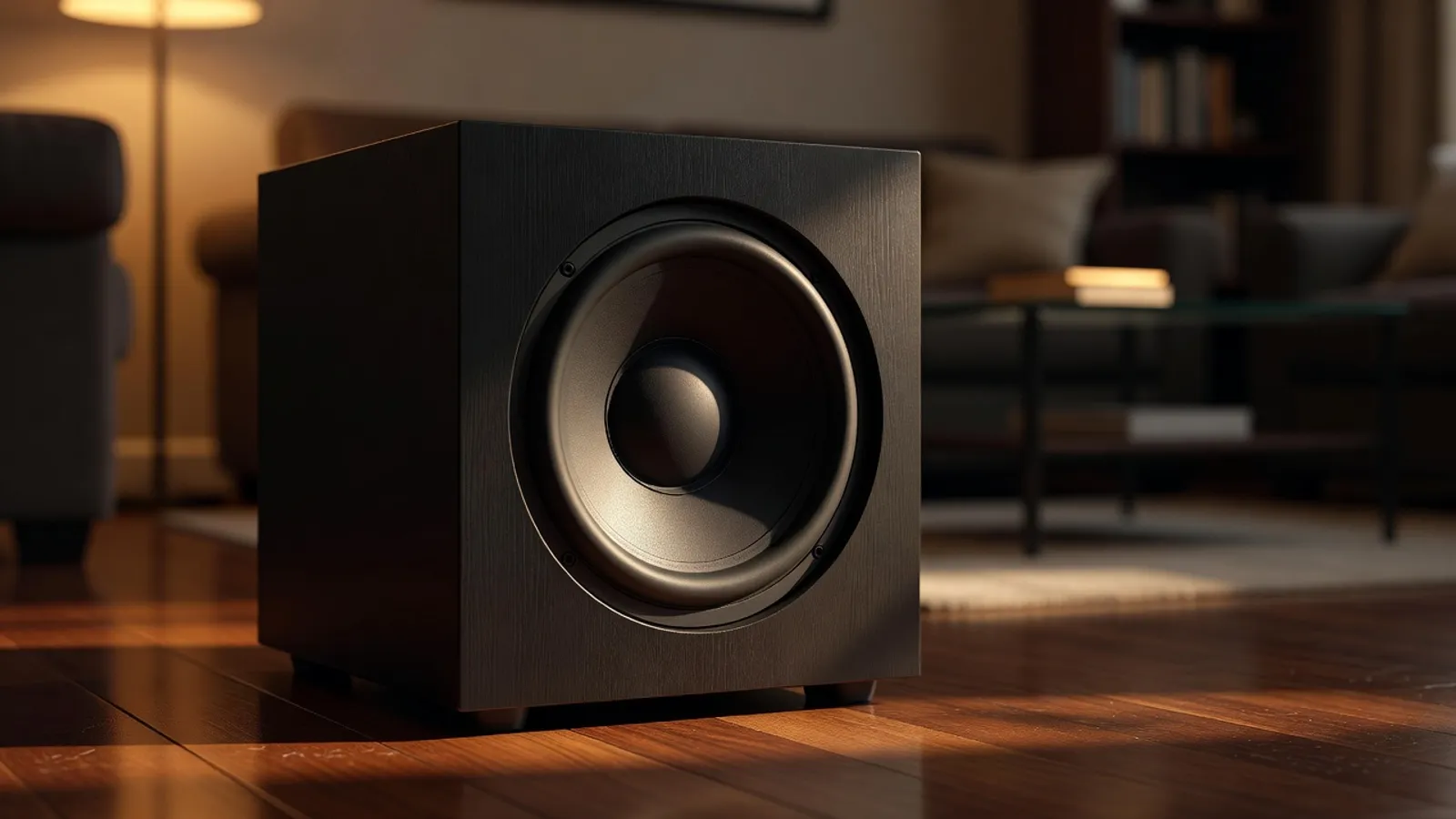
A wireless subwoofer adds bass to your system without a signal cable to the main unit. It still needs AC power, so it has to sit near an outlet. This category suits soundbar owners who want a sub with no signal cable across the room.
A “wireless” subwoofer normally receives audio without a signal cable, but it still needs AC power. Many soundbar subs use a proprietary radio and pair only with specific models, so brand matching is not enough: the exact compatibility list is the first purchasing check.
What matters most
Wireless describes the signal path, not battery operation.
Soundbar-family subs may not accept a standard RCA/LFE input.
Dropouts can come from distance, interference, firmware or placement near dense electronics.
A wired aftermarket kit and a native proprietary sub are different upgrade paths.
How to choose
Use the manufacturer compatibility chart for the exact soundbar model.
Prefer a standard line input if future system flexibility matters.
Check whether the system supports one or two subwoofers and whether you need identical models.
Before checkout
Locate an outlet before choosing the acoustic position.
Confirm return behavior if pairing fails with an older bar revision.
Allow ventilation and keep the radio path away from crowded networking equipment where practical.
A useful setup or audition test
Pair the sub close to the main unit, update firmware, then move it to the intended position. If it drops out, test distance and interference before assuming the driver or amplifier is defective.
Sonos Sub 4 review: which Sonos soundbars and speakers it pairs with, two-sub rules, placement tips, and when the Sub Mini or an older Sub (Gen 3) is enough.
This Sonos Sub Mini review isn’t going to blow smoke up your HDMI port.
Read the review →
How do I choose a wireless subwoofer for my soundbar?
Start with the manufacturer compatibility chart for your exact soundbar model. Many soundbar subs use a proprietary radio and pair only with specific models. Brand matching is not enough on its own. Check whether your system supports one or two subwoofers, and whether they must be the same model.
Prefer a standard line input if you may change systems later. Soundbar-family subs may not accept a standard RCA/LFE input. Find an outlet before you pick the spot for the sub. Keep the radio path away from crowded networking gear where you can, and leave room for ventilation.
Proprietary wireless link
A brand's own radio connection between the soundbar and the sub. It pairs only with models the maker lists as compatible.
RCA/LFE input
A standard line input that takes a bass signal by cable. A sub with this input can work with more systems.
Firmware
The software inside the sub and the soundbar. Updates can fix pairing and dropout problems.
Frequently asked questions
Should I pick a Bose or Sonos wireless subwoofer?
Pick the brand that matches your soundbar, then check the exact model. Many soundbar subs use a proprietary radio and pair only with specific models. The Bose Smart Ultra Soundbar FAQ shows one example of exact-family rules for bass modules. Read the manufacturer compatibility chart before you buy.
Does a wireless subwoofer need a power outlet?
Yes. Wireless describes the signal path, not battery operation. The sub receives audio without a signal cable, but it still needs AC power. Locate an outlet before you choose where the sub will sit.
Why does my wireless subwoofer keep dropping out?
Dropouts can come from distance, interference, firmware or placement near dense electronics. Pair the sub close to the main unit and update firmware. Then move it to its intended spot. If it drops out, test distance and interference before you assume the driver or amplifier is faulty.