Shopping for wireless headphones? Start with these brands
Each button opens the brand's own store or its official Amazon storefront, so you can check current prices and the return window.
Anker audio
soundcore
Headphones, earbuds and speakers from Anker's soundcore
- Anker's audio brand: Bluetooth headphones, true wireless earbuds and speakers
- ArmorSound has reviewed the Liberty 4 NC, Space Q45 and AeroFit 2
- Opens soundcore's official Amazon store
Noise cancelling
COWIN
Quiet the commute with COWIN noise cancelling headphones
- Headphones, earphones and speakers with active noise cancelling
- Free shipping and 30-day returns at cowinaudio.com
- 24-month limited warranty
Desk and home speakers
Edifier
Upgrade your desk or living room with Edifier speakers
- Speakers and headphones for home, desktop and portable listening
- Line-up includes the M90, MR5 and S1000 MKII
- Sold direct from Edifier's US store
This how to pick the best audio device for listening music 2026 guide helps you navigate a crowded market of headphones, earbuds, Bluetooth speakers, soundbars, and home audio systems. If you have been searching for the best audio device for listening to music, trying to compare specs, or wanting to understand what makes sound quality feel rich, this guide covers it.
Music lovers, casual listeners, audiophiles, commuters, gym-goers, and home-theater fans all approach listening differently, so the process of choosing the best audio device for music must start with understanding your personal listening style. That includes thinking about where you listen most, how you want your music to sound, and which features matter such as Bluetooth codecs, frequency response, noise cancellation, soundstage, comfort, portability, durability, and audio tuning.
With so many categories including headphones, earbuds, portable Bluetooth speakers, home audio systems, and studio monitors, many readers struggle to know which device provides the best sound quality for music within their budget. Some devices shine for bass-heavy genres like hip-hop or EDM, others excel with classical and jazz, and some use balanced reference-grade tuning ideal for audiophiles. This guide helps you understand how to compare audio devices, what features influence sound, and which specifications matter most when searching for the best headphones for music 2026, best speakers for music, or the best audio device for high-resolution music playback.
This guide helps you choose a music-listening companion, whether you need wireless convenience, open-back spaciousness, workout-friendly durability, premium audiophile clarity, or the best budget option available. It shows you how to evaluate sound, avoid misleading marketing claims, and buy the best audio device for music lovers based on real performance instead of guesswork.
Table of Contents
What is my listening style and why does it matter?

Understanding your personal listening habits is the first major step in choosing the best audio device for listening to music. Your habits determine whether headphones, earbuds, Bluetooth speakers, soundbars, or home audio systems will deliver the best sound quality for your needs. Before comparing specs or browsing the best audio devices for music, define how and where you listen, since that affects comfort, portability, durability, battery life, tuning, and the type of audio performance you should look for.
Where You Listen to Music Most
Your primary listening environment impacts which device type will feel the most enjoyable and practical.
- At home: You may prefer over-ear headphones, home audio speakers, or soundbars for wide soundstage and clarity.
- During commutes: Earbuds or portable wireless headphones offer convenience, strong noise cancellation, and comfort for long travel sessions.
- At the gym: Sweat-resistant earbuds or compact Bluetooth speakers provide portability and durability.
- Outdoors: Choosing the best portable Bluetooth speaker for music or weather-resistant earbuds improves versatility and listening range.
- At work or in shared spaces: Noise-cancelling headphones deliver isolation and focus without disturbing others.
Start with your environment, since it narrows the options.
How You Prefer Your Sound
Sound signatures vary widely across audio devices. Understanding your taste helps identify the best audio device for your preferred music genres.
- Bass-heavy: Ideal for hip-hop, EDM, and pop. Look for devices with strong low-end tuning and dynamic drivers.
- Balanced: Works well with acoustic, indie, and general all-genre playlists.
- Bright or detailed: Helpful for classical, jazz, vocal music, and live recordings.
- Warm or rich: Perfect for relaxed listening with smooth mids and rounded bass.
- Analytical or reference-grade: Best for audiophiles and those who want neutral playback or monitor-level accuracy.
When browsing best wired headphones for music 2026, tuning style often matters more than branding or price.
Activity Based Needs
Your daily routines shape the device you should choose.
- Travelers benefit from ANC headphones, long battery life, and comfort for extended sessions.
- Fitness users require secure-fitting earbuds, IP-rated durability, and strong stability.
- Home listeners may prioritize wide soundstage, large drivers, and high-resolution support.
- Gamers and multitaskers appreciate low latency, multi-device pairing, and detailed mids.
- Audiophiles focus on driver type, openness, frequency response, and advanced Bluetooth codecs like LDAC or aptX Adaptive.
What types of audio devices are there for music?

Understanding the different categories of audio gear is essential when choosing the best audio device for listening to music. Each type delivers a unique combination of sound quality, comfort, portability, and performance. If you are comparing the best headphones for music 2026, exploring the best earbuds for music, or deciding if a portable Bluetooth speaker fits your lifestyle, this section covers how each type performs in real world listening.
Over Ear Headphones
Over ear headphones are the preferred choice for music enthusiasts seeking rich sound quality, spacious imaging, and comfortable long term listening. Their large ear cups fully surround the ears, which allows for bigger drivers, cleaner bass response, and a wider soundstage. This makes them popular for high resolution audio, detailed genres such as classical and jazz, and anyone wanting the most refined listening experience.
Advantages
- Large drivers deliver deeper, fuller bass and more accurate details across all frequencies
- Wide soundstage suits orchestral, instrumental, and live recordings
- Strong passive isolation reduces outside noise even before ANC activates
- Comfortable cushioning supports long sessions without ear fatigue
- Premium models offer strong ANC that improves sound quality in noisy environments
Disadvantages
- Bulky design makes them less convenient for travel or daily commuting
- Not ideal for workouts or movement heavy activities
- Ear cups can trap heat during extended wear
- High end models come with premium price tags
On Ear Headphones
On ear headphones sit directly on top of the ear instead of enclosing it entirely. This form factor appeals to listeners who want better sound than earbuds without the bulk of over ear headphones. They strike a comfortable middle ground, offering portability with respectable audio quality, though they are more sensitive to clamping pressure and ambient noise.
Advantages
- Lightweight and compact enough for commuting or casual travel
- Often more affordable than over ear designs
- Good balance for mixed genre listening such as pop, rock, and indie
- Easier to store in small bags and cases
Disadvantages
- Less noise isolation due to open ear contact
- Bass response can be weaker because of reduced ear seal
- Comfort varies significantly depending on padding quality and headband tension
- Longer sessions may lead to ear pressure or fatigue
Earbuds
Earbuds dominate the portable music market thanks to their convenience, secure fit, and rapidly improving sound quality. True wireless earbuds with ANC have become top picks for travelers, gym users, and commuters. Many support high quality Bluetooth codecs, making them strong contenders for anyone comparing the best earbuds for yoga of 2026 and looking for compact, high performance listening. Between headphones vs earbuds for music, earbuds win on portability and convenience, especially for active lifestyles.
Advantages
- Pocket friendly design and easy portability
- Strong ANC performance in premium models, ideal for travel and public transportation
- Secure fit makes them great for workouts and active lifestyles
- Support for advanced Bluetooth codecs such as AAC and LDAC enhances wireless sound quality
- Good for daily use and on the go streaming
Disadvantages
- Small drivers limit natural soundstage width
- Bass performance depends heavily on a proper in ear seal
- Battery life varies between earbuds and charging case
- Some users experience ear fatigue or discomfort during long listening sessions
Portable Bluetooth Speakers
Portable Bluetooth speakers provide a flexible and social listening experience, making them perfect for outdoor use, gatherings, and casual home playback. They vary widely in size and output power, but the best models can deliver impressive loudness, strong bass, and sound that fills a room and complements many genres.
Advantages
- Rugged and water resistant designs are ideal for beaches, parks, and travel
- Long battery life supports extended playtime far from outlets
- Capable of producing loud, rich sound suited for group listening
- Easy to connect with phones and tablets for instant music playback
- No need for headphones when sharing music with friends
Disadvantages
- Not suitable for private or quiet listening environments
- Sound quality depends on size and driver configuration
- Smaller speakers may lack deep bass
- Larger models reduce portability and add weight
Smart Speakers and Home Audio Systems
Smart speakers and home audio systems aim to fill a room with music, with the added convenience of WiFi streaming and voice assistant control. They suit listeners who enjoy hands free access to playlists, multi room audio setups, and richer sound than portable Bluetooth speakers. Record players are also other option for those who prefer to listen to vinyl, hence the best record player for beginners.
Advantages
- WiFi streaming ensures stable high quality playback with minimal compression
- Larger drivers produce powerful and dynamic sound for home listening
- Multi room functionality syncs music throughout the house
- Voice assistants simplify playback, volume, and device control
Disadvantages
- Not portable and unsuitable for outdoor or travel use
- Depend on strong WiFi connections for consistent performance
- Limited customization compared to dedicated stereo systems
- Sound quality varies significantly between brands and price points
Soundbars for Music Listening
Soundbars offer a sleek and space saving audio solution that enhances both TV sound and music playback. Modern models provide wide stereo separation, improved clarity, and strong midrange detail, making them a versatile choice for living rooms and entertainment spaces.
Advantages
- Wider stereo image and improved clarity compared to TV speakers
- Clean and minimal design that fits under most televisions
- Plug and play connections via HDMI or optical input
- Enhanced vocals and instrument separation for everyday music listening
Disadvantages
- Bass performance often requires an external subwoofer
- Soundstage may not match high end stereo speakers
- Limited portability
- Audio detail varies depending on model and processing technology
Studio Monitors
Studio monitors focus on accuracy and precision, making them ideal for creators, musicians, and audiophiles who want to hear music exactly as it sounds in the mix. Their neutral tuning and flat frequency response reveal details that consumer tuned devices may mask, delivering a highly analytical but rewarding experience for trained listeners.
Advantages
- Accurate and neutral sound ideal for high resolution playback
- Exceptional stereo imaging and instrument separation
- Perfect for mixing, mastering, or critical listening
- Reveal subtle details that consumer headphones may smooth over
Disadvantages
- Not designed for portability or casual outdoor use
- Require correct room placement and acoustic considerations
- Often need an audio interface or amplifier to perform at their best
- Can sound overly analytical for listeners who prefer warm or boosted sound signatures
Which audio specs matter most for music?
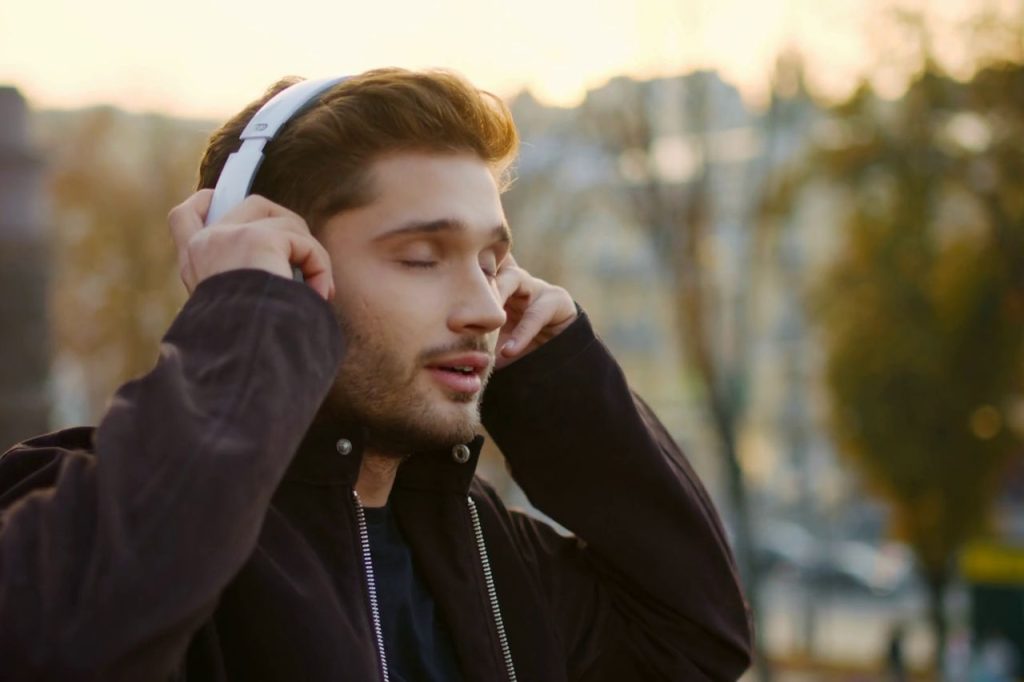
When deciding how to choose the right audio device for your music taste, don’t just focus on the brand or specs. To choose the best audio device for listening to music, you need to understand the key audio specifications that affect sound quality. Many buyers focus on branding or aesthetics without realizing that specs such as driver type, frequency response, impedance, sensitivity, and Bluetooth codecs shape the listening experience.
These factors determine how powerful the bass feels, how clear the vocals sound, how wide the soundstage becomes, and how accurate the device is across different genres. As such as they are important to take in consideration prior to hiring high-quality speakers for events. This section breaks down each core spec.
Driver Types and Sizes
Drivers are the heart of every audio device. They convert electrical signals into sound waves. Larger or more advanced drivers often produce richer and more accurate sound, making driver technology one of the most important features to evaluate.
Common driver types include:
- Dynamic drivers
- Planar magnetic drivers
- Balanced armature drivers
- Electrostatic drivers
- Hybrid drivers combining multiple technologies
Dynamic drivers offer strong bass and wide frequency range. Planar magnetic drivers deliver exceptional clarity, detail, and low distortion. Balanced armature drivers excel in precision but may lack bass without hybrid support. Understanding driver size and type helps you select the best audio device for high resolution music playback or the most suitable choice for your preferred genre.
Frequency Response
Frequency response describes how low and how high the audio device can reproduce sound. It influences bass strength, vocal clarity, and treble detail.
Key points to know:
- Human hearing typically ranges from 20 Hz to 20 kHz
- Wider frequency ranges do not guarantee better sound
- Tuning and balance matter more than maximum range
A device tuned for bass heavy output may emphasize sub bass frequencies, while a balanced tuning highlights mids and vocals. When comparing the best audio devices for music, check both the range and how the manufacturer describes their tuning style.
Impedance and Sensitivity
Impedance and sensitivity determine how easily the device can reach loud volumes and how well it works with different audio sources such as phones, laptops, or amps.
What impedance means:
- Low impedance devices are easier to drive and work well with phones
- High impedance headphones may require an amplifier for full performance
What sensitivity means:
- Higher sensitivity usually means louder sound at lower power levels
- Lower sensitivity may produce cleaner output but require stronger amplification
Understanding these specs helps buyers choose between the best wired headphones for music, studio monitors, and audiophile grade gear.
Bluetooth Codecs
Bluetooth codecs determine how the device compresses, transmits, and decodes audio during wireless playback. Codecs influence clarity, latency, and overall sound quality.
Most common codecs include:
- SBC for basic compatibility
- AAC for iPhone optimized listening
- aptX and aptX HD for improved wireless sound quality
- LDAC for high resolution Bluetooth audio
- LC3 for efficient low energy streaming in new devices
If you want the best wireless headphones for music 2026 or the most detailed wireless listening experience, choose a device with a strong codec.
Noise Cancellation Types
Noise cancellation affects how well a device blocks external sound and maintains clarity in loud environments.
Types of noise control include
- Active Noise Cancellation (ANC) using microphones and processing
- Adaptive ANC that adjusts in real time
- Passive isolation from the physical seal of the ear cups or ear tips
ANC is ideal for travelers, commuters, and anyone who wants uninterrupted listening. Passive isolation alone can still be effective for over ear headphones and well sealed earbuds.
Soundstage and Imaging
Soundstage and imaging describe how the device positions instruments, vocals, and spatial cues around the listener.
Soundstage refers to:
- Perceived width and depth of the audio environment
- Ability to feel like the music is surrounding you rather than coming from inside the ear cups
Imaging refers to:
- Precise placement of sound elements
- Clarity of separation between instruments
Open back headphones and high quality studio monitors often excel in this area. Understanding soundstage helps you identify the best audio device for music listening, especially for genres like live music, classical, and acoustic recordings.
How to Pick the Right Audio Device that Enhances Your Life?
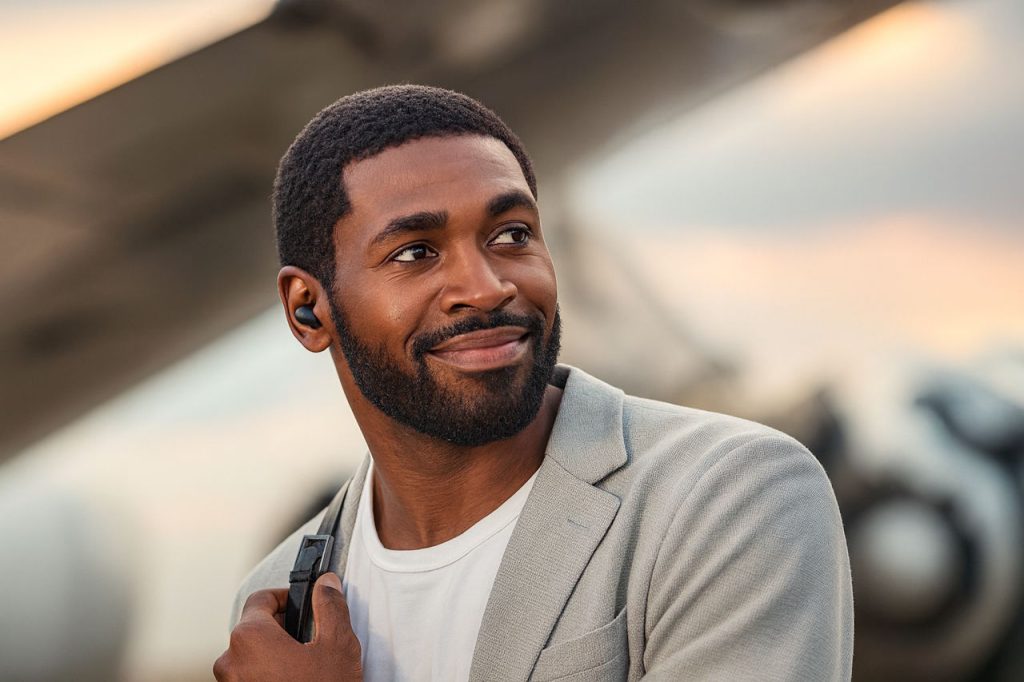
Choosing the best audio device for listening to music can positively influence your mindset, productivity, lifestyle, and overall sense of well being.
Emotional Wellness and Stress Relief
Music affects mood, and the right audio device enhances that. Over ear headphones and ANC earbuds create a quieter environment that reduces stress and makes it easier to unwind after busy days. High quality sound deepens emotional connection to your favorite songs, which also ties into broader men’s mental wellness support initiatives focused on reducing stress through healthy sensory habits.
Productivity and Focus
Listeners who want to stay productive benefit from choosing the best headphones for music or earbuds with strong isolation. Blocking out background noise improves concentration during work or study sessions, while balanced sound signatures help maintain consistent focus. Even smart speakers or desktop audio setups can provide gentle background music while you work.
Motivation for Exercise and Activity
The right audio device instantly improves workout motivation. Secure fitting earbuds deliver energetic, bass driven sound that keeps you moving, while portable Bluetooth speakers bring lively music to home workouts or outdoor activities. Music encourages better pacing, boosts endurance, and makes fitness routines more enjoyable and consistent. Read our top 10 best gym headphones of 2026 guide to see what recommendations we made for avid gym rats.
Social Connection and Shared Moments
For social environments, choosing the best Bluetooth speakers for music helps create memorable shared experiences. Portable speakers add warm, engaging sound to gatherings, picnics, and travel, while home audio systems suit family activities or group listening sessions.
Better Sleep and Relaxation Habits
Many listeners use music to improve sleep quality, and the right device supports a calming nighttime routine. Comfortable headphones or safe fitting earbuds make it easy to enjoy soft playlists, nature sounds, or white noise. Smart speakers can automate sleep timers and relaxing ambience. Our top 10 best earbuds for sleeping 2026 covers extensively on this area of interest.
Creativity and Inspiration
High quality music playback supports creativity by revealing details that inspire new ideas. Studio monitors, open back headphones, and high resolution audio devices give creators clearer sound, wider soundstage, and deeper emotional engagement.
Everyday Enjoyment and Convenience
Music becomes more enjoyable when the device matches your daily routines. Earbuds make errands and commuting feel more pleasant, over ear headphones enhance quiet moments at home, and smart speakers add atmosphere to cooking, cleaning, and relaxing. The right device fits your routine and makes simple tasks more pleasant.
How Different Genres Influence Your Audio Device Pick?

Picking the best audio device for listening to music becomes easier when you understand how different genres respond to specific sound characteristics. Every style of music emphasizes certain frequencies and textures. If you prefer heavy bass, rich vocals, wide soundstage, or warm acoustic tones, pick a device tuned for your primary genre.
Hip Hop and EDM Bass Emphasis
Hip hop and EDM benefit most from audio devices that deliver strong, controlled bass with enough impact to match rhythmic beats and electronic drops. Headphones or earbuds with enhanced low end response and large dynamic drivers bring out the energy and depth in these genres. Choosing the best headphones for music 2026 with boosted bass or using portable Bluetooth speakers with powerful woofers helps maintain the drive and intensity these tracks rely on.
Rock and Metal Midrange Clarity
Rock and metal place heavy emphasis on electric guitars, drums, and vocal grit, so devices with strong midrange clarity create the most accurate representation of the music. Headphones with balanced tuning and clean separation help preserve the texture of distorted guitars and rapid percussion. When choosing the best audio device for music lovers, listeners of these genres benefit from models that keep mids forward without overwhelming bass or sharp treble peaks.
Classical and Jazz Soundstage and Imaging
Classical and jazz are highly detailed genres where spacing, instrument placement, and natural resonance matter. Devices with exceptional soundstage and imaging allow you to hear individual instruments, subtle dynamics, and room acoustics more clearly. Open back headphones, studio monitors, and high resolution audio devices are ideal for these genres because they provide a more lifelike, spacious presentation.
Pop Balanced Tuning
Pop music benefits from devices with balanced, versatile sound signatures that highlight vocals, rhythmic beats, and melodic hooks. Pop listeners typically want clear highs, punchy but controlled bass, and engaging mids that bring vocals forward. Balanced headphones, modern earbuds, and well tuned Bluetooth speakers all perform well with pop, making it one of the most flexible genres when choosing the best audio device for music.
Acoustic and Indie Warmth and Detail
Acoustic and indie music sound best on audio devices that emphasize warmth, texture, and natural detail. These genres rely heavily on vocals, guitar resonance, and organic instrument tones, so a device with a smooth midrange and gentle treble presentation creates a more intimate, emotional listening experience. Over ear headphones with warm tuning or earbuds designed for vocal clarity are great choices for listeners who want the most authentic acoustic sound.
How to Test Audio Devices Before You Buy?

Testing an audio device before purchasing is one of the best ways to ensure you are choosing the best audio device for listening to music. Sound quality, comfort, and performance vary greatly between headphones, earbuds, speakers, and studio monitors, so evaluating them in person helps you avoid disappointment and find the perfect match for your listening style.
What to Listen For
When evaluating the best headphones for music or any audio device, focus on key qualities such as distortion, separation, clarity, and bass tightness. Distortion can ruin complex tracks at high volumes, so make sure the sound stays clean when the music intensifies.
Separation helps you identify individual instruments, while clarity ensures vocals and details are easy to hear without sounding harsh. Bass tightness is important because it reveals whether the device produces deep, controlled low frequencies or muddy, bloated bass.
Sample Tracks to Bring
Bringing familiar music is essential when testing devices. Choose tracks you know well so you can easily notice differences in detail, tone, and balance. Use a mix of genres to evaluate full range performance, including bass heavy songs for depth, acoustic tracks for warmth and realism, and vocal focused music for clarity.
High quality recordings allow you to hear the full capability of the device and determine whether it matches your expectations for soundstage, tuning, and fidelity.
Comfort and Fit Checks
Comfort plays a major role in choosing the best audio device for music lovers, especially for long listening sessions. For over ear headphones, check clamping pressure, ear cup padding, and weight to ensure they feel natural and stable. For earbuds, test different ear tips to confirm a secure seal without discomfort.
The device should sit comfortably for several minutes without causing pressure, heat buildup, or irritation. A good fit also improves sound quality, especially with earbuds that rely on proper sealing for bass and noise isolation.
Latency Tests for Video and Gaming
Latency is important if you watch videos, play games, or use your audio device for calls. Wireless headphones and earbuds sometimes introduce slight delays between the audio and visual elements. To test this, play a video or rhythm based game and observe whether sound effects align with the visuals.
Devices with modern Bluetooth codecs such as aptX Low Latency or LC3 usually perform better. Ensuring low latency helps you choose the best earbuds for music 2026 that also work well for multimedia use. The best audio device for music also needs to work with your tech, especially if you use gaming platforms to play your favorite games.
Which brands make the best audio devices for music? for Choosing the Best Audio Devices
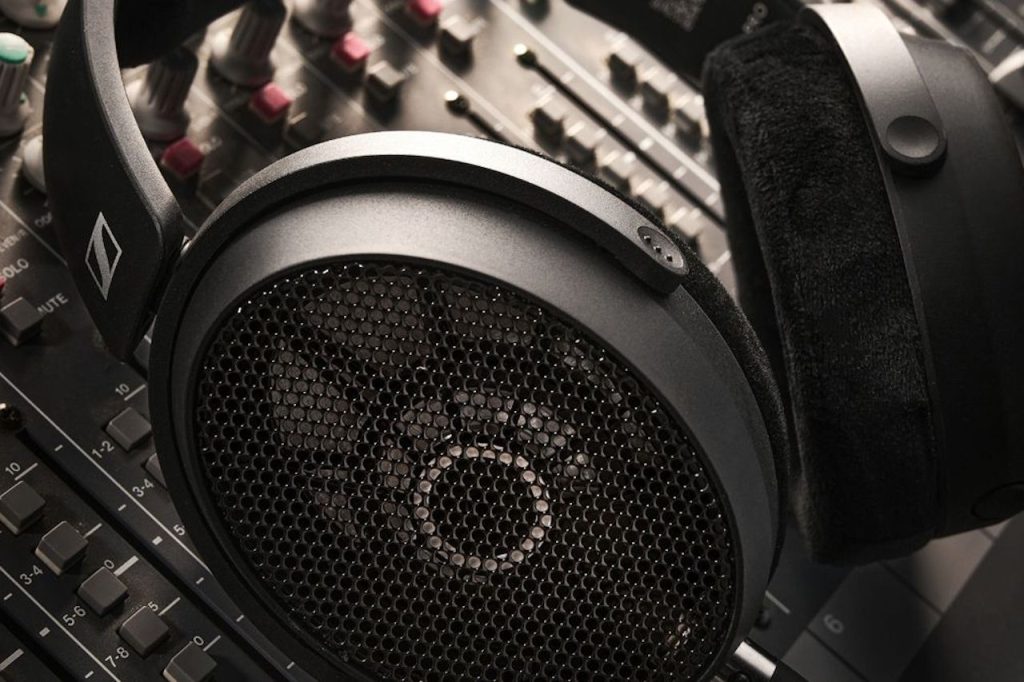
Choosing the best audio device for listening to music becomes easier when you know which brands consistently deliver quality, reliability, and strong performance. While every listener has unique preferences, certain manufacturers have earned long standing reputations for producing headphones, earbuds, Bluetooth speakers, and home audio systems that excel across different genres and use cases.
Headphones and Earbuds
When exploring the best headphones for music or the best earbuds for music, these brands are among the most respected in the industry. Sony has a reputation for top tier noise cancellation and high resolution audio support.
Bose specializes in comfort and refined ANC performance. Sennheiser delivers balanced, audiophile friendly tuning. Apple integrates well with iPhones, especially when coupled with premium iPhone cases. Soundcore focuses on value packed models that outperform their price class. Beats appeals to listeners who prefer bold, energetic sound.
Brands to Consider
Bluetooth Speakers
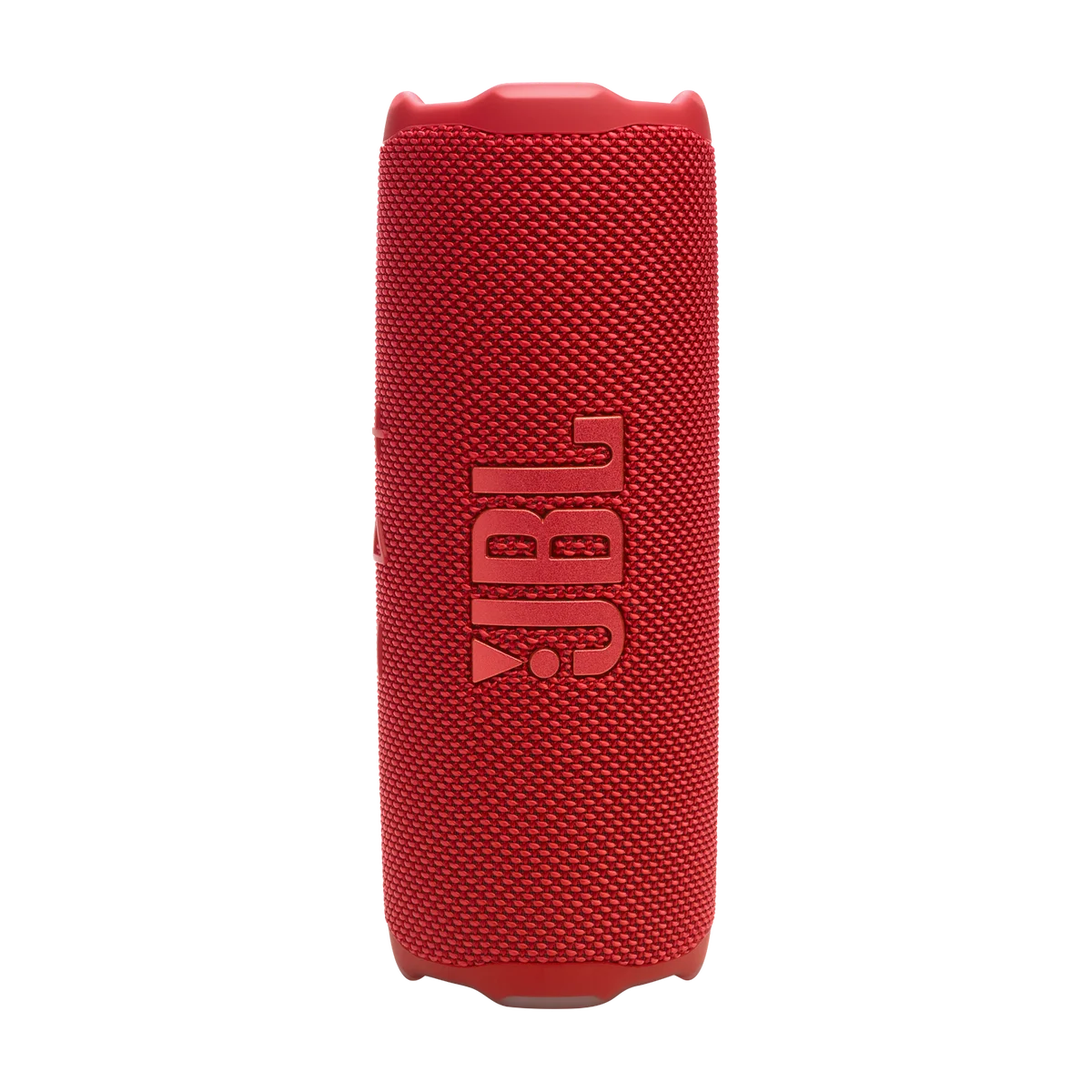
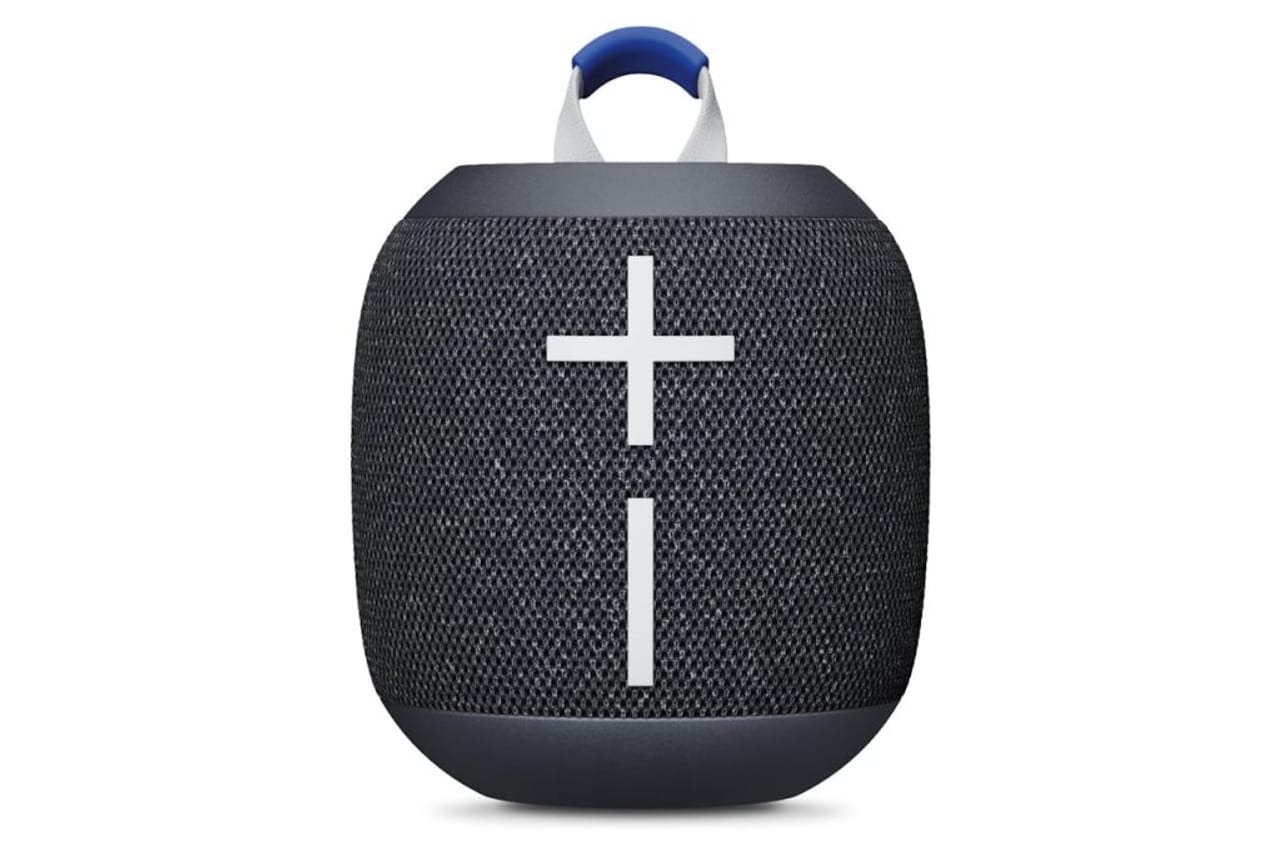
The best Bluetooth speakers for music come from companies that understand durability, power, clarity, and portability. JBL has a reputation for punchy bass and rugged designs that suit outdoor use. Marshall blends classic styling with strong midrange presence and character. Sonos offers wireless performance that fills a room and smooth streaming integration. Ultimate Ears creates lightweight, waterproof speakers perfect for travel and casual listening. Klipsch brings dynamic, lively sound with signature warmth and detail.
Brands to Consider
Home Audio
For home based setups, the best home audio systems for music come from brands with deep expertise in acoustic engineering and sound that fills a room. Sonos is a leader in wireless multi room audio with intuitive controls and reliable streaming quality. Bose delivers smooth, approachable sound suited for everyday listening. Bowers and Wilkins brings high fidelity performance with precision tuned drivers for lifelike detail. KEF has a reputation for wide soundstage and advanced driver technology that enhances clarity and spatial realism.
Brands to Consider
Frequently Asked Questions
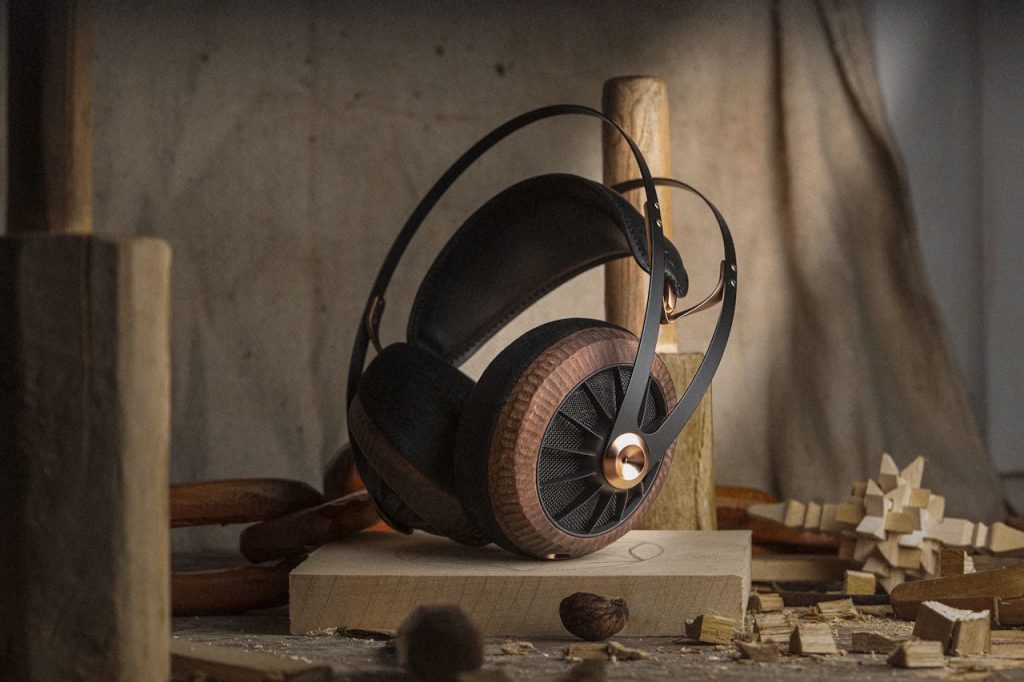
Answers to the most common questions people have when choosing the best audio device for listening to music.
What is the most important factor when choosing the best audio device for listening to music?
The most important factor is knowing your listening style, which includes where you listen, how loud you prefer your music, and which sound signature you enjoy. Matching the device to your lifestyle ensures better comfort, sound quality, and long term satisfaction.
How do I know which sound signature is right for me?
Choose a sound signature based on your preferred genres. Bass heavy music benefits from boosted low frequencies, vocal focused music needs clear mids, and classical or jazz requires wide soundstage and natural imaging. Your favorite playlists reveal which tuning you will enjoy most.
Why do driver types matter when selecting an audio device?
Driver types affect how a device produces sound and how accurately it reproduces details. Dynamic drivers offer strong bass, planar magnetic drivers offer clean detail, and balanced armature drivers provide precision.
Should I prioritize wired or wireless listening?
Wired listening offers consistent, lossless quality, while wireless provides convenience, portability, and modern features. If you value maximum fidelity, wired may be best. If you move frequently or prefer ease of use, wireless is often more practical.
How do Bluetooth codecs affect music quality?
Bluetooth codecs determine how the device compresses and transmits audio. Higher quality codecs like LDAC and aptX preserve more detail, reduce distortion, and improve overall clarity. Choosing a device with better codec support enhances wireless listening.
Do I need noise cancellation to enjoy music?
Noise cancellation is not required, but it improves clarity in loud environments by reducing background noise. It helps you hear more detail at lower volumes, supports focus, and enhances overall comfort during travel or work.
How can I tell if an audio device has good bass performance?
Good bass is controlled, tight, and present without overwhelming vocals or distorting at higher volumes. Test bass heavy tracks and pay attention to texture and depth rather than just loudness.
What features should I look for if I listen to music for long periods?
Comfort, lightweight design, breathable materials, and stable ear cup or ear tip fit are essential. Long battery life is also important for wireless users. A comfortable device prevents fatigue and allows uninterrupted listening.
How do I evaluate soundstage in an audio device?
Soundstage is the perceived space around your music. A device with strong soundstage places instruments and vocals clearly, creates depth, and makes tracks feel more spacious. Classical, jazz, and live recordings help reveal soundstage performance.
Why is fit important for earbuds when listening to music?
A proper seal ensures accurate bass response, effective noise isolation, and consistent sound quality. Poor fit leads to weak bass, reduced details, and overall uneven listening. Trying multiple ear tip sizes helps achieve the best result.
Can a portable Bluetooth speaker provide high quality music playback?
Yes, many modern Bluetooth speakers offer clear sound, strong bass, and wide dispersion. Size, driver design, and tuning influence quality, so select a speaker that matches your listening environment and preferred loudness level.
How do I know if an audio device will work well with my phone?
Check supported Bluetooth codecs, app compatibility, and pairing features. If your phone supports advanced codecs like AAC or LDAC, choose a device that matches these for better sound quality. Most modern audio devices pair easily with smartphones.
Should I consider battery life when choosing the best audio device for music?
Battery life matters for wireless headphones, earbuds, and speakers. Longer battery life provides uninterrupted listening and reduces charging frequency. For long commutes or travel, extended battery performance is a major advantage.
How can I tell if an audio device is durable enough for everyday use?
Look for materials like reinforced plastics, metal frames, and water resistance ratings. Durability also depends on hinge strength, cable quality, and overall build design. Devices with better construction last longer and maintain sound quality over time.
Is it worth testing audio devices in person before buying?
Yes, testing helps you evaluate sound quality, comfort, fit, and usability. Listening to familiar tracks reveals how the device handles bass, vocals, clarity, and soundstage. Trying devices firsthand reduces guesswork.
Which audio specs change how music sounds?
A few specs shape bass, vocals and treble more than brand does. These figures help you read a spec sheet.
- Human hearing typically starts at 20 Hz, so the low end of a frequency range shapes bass strength.
- Human hearing typically tops out at 20 kHz, so a wider listed range does not guarantee better sound.
Partner brands for wireless headphones at a glance
| Brand | What they make | Where you buy | |
|---|---|---|---|
| soundcore Anker audio | Anker's audio brand: Bluetooth headphones, true wireless earbuds and speakers | Official Amazon store | Shop soundcore → |
| COWIN Noise cancelling | Headphones, earphones and speakers with active noise cancelling | Brand's own store | Check price → |
| Edifier Desk and home speakers | Speakers and headphones for home, desktop and portable listening | Brand's own store | Check price → |